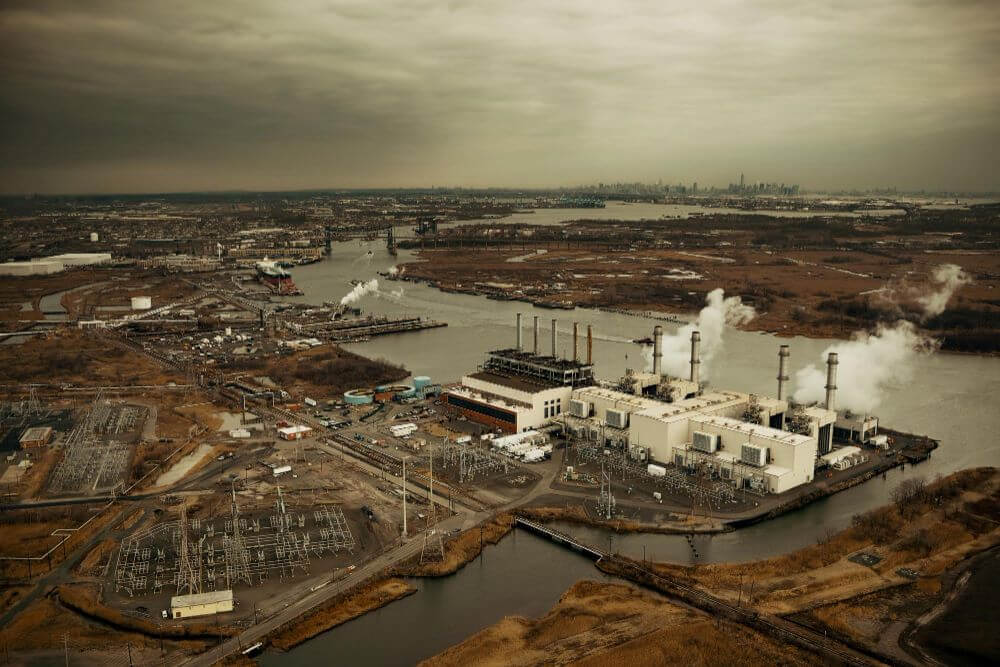
The modern economy depends on a vast network of industrial facilities that most people rarely think about. Every day, vehicles, airplanes, factories, farms, and shipping companies rely on a steady supply of fuel and petroleum-based products to keep operations running smoothly.
Along the Gulf Coast, some of the largest industrial complexes in North America work around the clock to transform crude oil into products that power daily life. These facilities process enormous volumes of raw materials and distribute finished products across the country and around the world.
Few people realize just how important these operations are until a disruption occurs. The output of the biggest refinery in Texas and other major facilities plays a critical role in energy markets, transportation systems, and countless industries that depend on reliable access to fuel and petrochemical products.
Turning Crude Oil Into Everyday Products
Refining oil is a far more complex process than many people realize. Crude oil arrives at a refinery as a mixture of different hydrocarbons that must be separated and processed before they become useful products.
Large distillation units use heat to separate crude oil into various components based on boiling points. Those components are then routed through additional processing units designed to create gasoline, diesel fuel, jet fuel, lubricants, and other products.
Modern refineries use highly sophisticated technologies to maximize efficiency and meet changing market demands. The goal is not simply producing fuel, but producing the specific fuels and materials that consumers and industries need most.
Ports Keep the Supply Chain Moving
Location is one reason many major refineries operate along the Texas Gulf Coast. Access to deep-water ports allows facilities to receive crude oil shipments and distribute refined products efficiently.
Massive tankers arrive carrying crude oil from domestic and international sources. At the same time, refined products leave through marine terminals destined for markets throughout the world.
These port facilities form an important link in the global energy supply chain. Without efficient transportation infrastructure, even the largest refinery would struggle to move enough material to meet market demand.
Thousands of Workers Keep Operations Running
A refinery may appear highly automated from the outside, but large numbers of skilled workers are required to maintain safe and reliable operations. Engineers, operators, technicians, electricians, welders, and maintenance specialists all play important roles.
Because many facilities operate continuously, staffing needs extend around the clock. Teams monitor equipment, inspect systems, perform repairs, and respond to operational issues as they arise.
The economic impact extends beyond the refinery itself. Contractors, suppliers, transportation providers, and local businesses often depend on the jobs and economic activity generated by these large industrial operations.
Environmental Compliance Is a Major Priority
Refineries operate under extensive environmental regulations designed to reduce emissions and protect surrounding communities. Compliance requires significant investment in monitoring systems, equipment upgrades, and pollution-control technologies.
Modern facilities continuously track operational performance and environmental metrics. Advanced systems help detect potential issues early and ensure operations remain within regulatory requirements.
Balancing production goals with environmental responsibilities remains an ongoing challenge throughout the industry. Companies continue investing in technology that improves efficiency while reducing environmental impact and supporting long-term sustainability goals.
Conclusion
Refineries play a vital role in supporting transportation, manufacturing, agriculture, and countless other sectors of the economy. Their importance often becomes most visible when supply disruptions affect fuel prices or product availability.
The scale of these facilities is remarkable. From processing crude oil to distributing refined products across global markets, every step requires sophisticated technology, skilled workers, and extensive infrastructure.
Understanding the role of major refining operations provides valuable insight into how modern energy systems function. The continued operation of these industrial giants helps power economic activity and supports the daily lives of millions of people who rely on the products they produce.