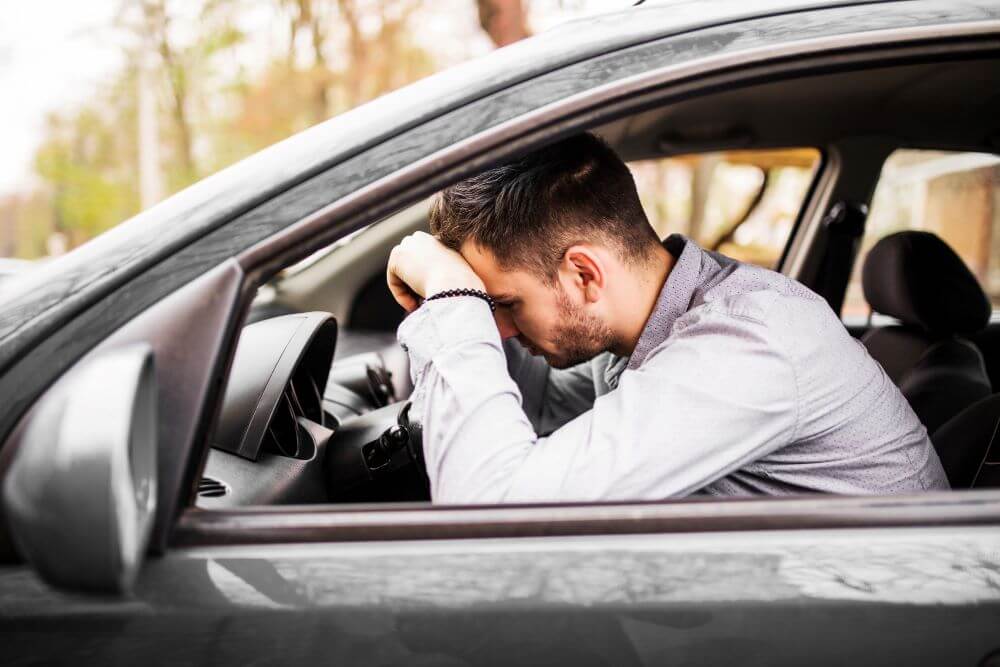
After a drunk driving crash, your world turns upside down in a split second. You know the police handle the criminal side, but an arrest does nothing to pay your mounting hospital bills or missed paychecks. According to legal experts, victims often confuse this criminal punishment with their civil recovery—which is the separate legal process of getting your money back.
Dealing with the immediate frustration of a wrecked car often leads victims straight into a financial trap. Insurance adjusters know you are stressed and might quickly offer a tiny settlement so you will sign away your rights. Industry data reveals this first check is almost always the lowest amount possible, designed to protect corporate profits rather than your health. A skilled drunk driving accident lawyer connects your urgent need for car repairs to a broader strategy for full personal injury compensation.
In practice, a DUI accident attorney acts as your legal shield against these aggressive tactics. Instead of fielding high-pressure insurance calls while trying to heal, your lawyer steps in to fight for your complete financial restoration.
Why You Don’t Pay Upfront: How Contingency Fees Level the Playing Field
Piling medical bills and lost paychecks often make the idea of hiring a drunk driving lawyer feel impossible. Fortunately, the legal system offers a financial shield through a “contingency fee.” This simply means you pay nothing upfront—your attorney only gets paid a percentage of the final settlement if you win.
Beyond just the attorney’s time, building a strong personal injury litigation case requires money. Reputable law firms will advance these hidden out-of-pocket costs for you, specifically paying for:
- Medical record retrieval to document your exact treatments
- Expert witness fees for professionals who can explain your injuries
- Court filing and administrative fees
Because they take on all the financial risk, your legal team is highly motivated to maximize the check that ends up in your pocket. With the money barrier completely removed, they can immediately focus on the next crucial step: gathering the “invisible” evidence to prove liability beyond the breathalyzer.
Gathering the ‘Invisible’ Evidence: Proving Liability Beyond the Breathalyzer
While a police report might state the driver was drunk, insurance companies will still try to minimize your payout. Overcoming their tactics requires looking past obvious breathalyzer results. Proving liability in a DUI crash means digging for hidden evidence that shows the full story of the driver’s recklessness.
Time is your biggest enemy when gathering the evidence needed for a successful drunk driving claim. Attorneys act immediately to secure three critical pieces of proof: cell phone records, vehicle computer data, and business security footage. Crucially, bar surveillance video is frequently erased within days, making fast action essential to prove the driver’s visible intoxication before they got behind the wheel.
The physical crash scene itself holds vital clues that require trained professionals to decode. This highlights the crucial role of accident reconstruction experts, who use physics and road marks to scientifically prove the drunk driver’s extreme speed. By creating visual models, these specialists destroy any argument that the collision was just an unavoidable accident.
Uncovering this deeper layer of proof does more than just cement the drunk driver’s fault. Finding exactly where the driver was drinking—and how much alcohol they were served—opens another path to help pay your medical bills. This paper trail leads directly to holding the business itself accountable.
The ‘Dram Shop’ Advantage: Suing More Than Just the Driver
When a driver’s insurance cannot cover your massive hospital bills, you might wonder who else is legally responsible. This introduces dram shop laws and third-party liability. If a bar, restaurant, or store sold alcohol to someone who was clearly already drunk, that business shares the blame for your crash. Pursuing the establishment is critical because commercial businesses carry much larger insurance policies than individual drivers, greatly increasing your chances of a full financial recovery.
Holding a business accountable requires showing they ignored obvious warning signs. Victims frequently ask, “can I sue for pain and suffering after a drunk driving accident?” You absolutely can, but your lawyer must first prove the staff kept pouring drinks when they should have stopped. We look for witness statements or security footage showing visible impairment, such as:
- Slurred speech or loud, aggressive behavior
- Stumbling, swaying, or spilling drinks
- Fumbling with wallets or dropping items
Uncovering this negligence provides the financial resources needed to truly rebuild your life. Once we establish exactly who is responsible, the next step is making sure they pay for every way this crash harmed you. That means looking beyond the hospital receipts to understand the true toll on your daily life.
Calculating the ‘Human Cost’: Why Your Pain is Worth More Than Your Medical Bills
After a drunk driver shatters your routine, you already know the responsible party’s insurance should cover your hospital stay. Yet, receipts cannot capture the devastation of missing your child’s soccer game because you cannot stand or suffering through chronic back pain every morning. Lawyers call this the “human cost.”
There is a massive difference between paying a single surgery bill and compensating you for a permanent loss of enjoyment of life. When calculating non-economic damages for accident victims, lawyers demand money for the emotional trauma and physical pain you endure. We also calculate future care costs, ensuring that if you need physical therapy five years from now, you will never pay out of pocket.
Securing this compensation takes more than just telling the insurance adjuster you are hurting. Meticulously documenting medical expenses for personal injury litigation is the foundation of proving your ongoing struggles. We use perfect medical records, detailed doctor’s notes about your limitations, and your personal pain journals to force insurance companies to respect your invisible injuries.
Covering your medical bills and daily suffering helps you rebuild, but it does not fully hold the drunk driver accountable for their reckless choice. To ensure they never make this dangerous mistake again, we must explore how courts deliver a severe financial punishment.
The Penalty Metaphor: Securing Punitive Damages to Punish the Driver
Standard compensation pays your bills, but it rarely feels like true justice. Just like a referee gives a penalty to stop dirty play in sports, courts use “punitive damages” to financially punish drunk drivers. This extra money is awarded when a driver’s actions show “gross negligence”—a legal term meaning they showed a completely reckless disregard for human safety.
Proving this recklessness is where your legal team steps in. When maximizing punitive damages in personal injury cases, a lawyer will leverage the impact of a criminal DUI conviction on civil lawsuits. We use their police records and guilty verdicts to demand these bonus payments. To determine if the driver deserves this financial punishment, judges evaluate three specific factors:
- The driver’s blood alcohol content (BAC) level.
- Their history of previous DUIs.
- The speed they were driving before the crash.
When these extra penalties are added to your everyday losses, your claim’s value skyrockets. Naturally, insurance adjusters will fight to avoid paying this punishment by pushing a quick settlement. Protecting your financial recovery requires understanding exactly why your attorney’s negotiation beats their first offer.
Beating Insurance Tactics: Why Your Attorney’s Negotiation Beats Their First Offer
When negotiating with insurance companies after a DUI, adjusters often offer a fast, lowball check. You can easily spot a bad deal by watching for three red flags: demanding a signature before your doctor finishes treatment, offering just enough money to cover today’s medical bills, and setting high-pressure deadlines to accept the cash.
Refusing that initial money usually makes them shift blame, claiming you perhaps braked too late or drifted slightly. This introduces comparative negligence in alcohol-related accidents, a legal excuse to shrink your payout by arguing you were partially at fault. Your safest response is simple silence. Overcoming common insurance company tactics requires letting your attorney use the official police evidence to prove the intoxicated driver is solely responsible for your injuries.
An adjuster’s absolute biggest fear is facing a courtroom jury of ordinary citizens who despise reckless choices. That realistic threat of a trial gives your legal team the ultimate leverage to force a fair settlement. Securing this financial advantage depends heavily on your next moves, bringing us to your 24-hour action plan for protecting your rights before the clock runs out.
Your 24-Hour Action Plan: Protecting Your Rights Before the Clock Runs Out
Before this crash, you might have assumed insurance would automatically cover everything. Now, you know an attorney can shield you from predatory adjusters to pursue a fare average settlement for a drunk driving accident. However, time is critical. Every state has a “Legal Expiration Date”—the statute of limitations for DUI injury claims—meaning your right to demand compensation eventually vanishes.
To protect your rights and stop vital evidence from disappearing this week, execute this immediate action plan:
- See a doctor.
- Don’t talk to insurance.
- Save all photos.
- Call a lawyer.
You no longer must shoulder the financial burden of another person’s reckless choice alone. By taking swift action today, you hand the legal fight over to a professional, so your energy stays exactly where it belongs: entirely focused on your physical and financial healing.