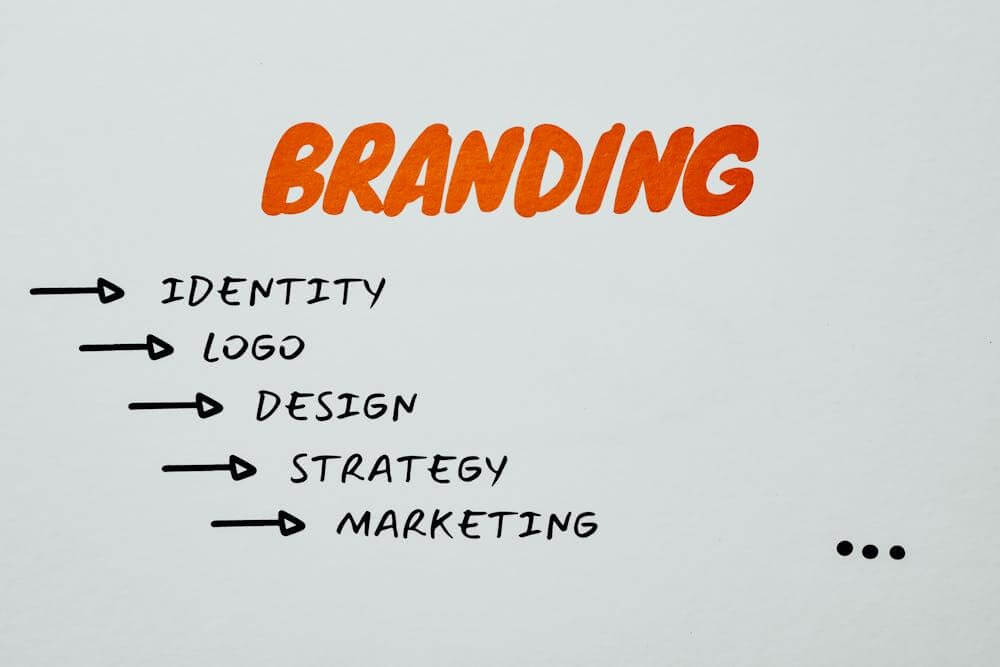
Many businesses post on social media every day and still struggle to build a strong brand. The problem is not a lack of effort. It is a lack of clarity and direction. Social platforms move fast, and people scroll even faster. If your content does not make an impression within seconds, it gets ignored. That is where most brands lose the game. They focus on posting more instead of posting with purpose. Branding today depends on how clearly and consistently you show up in front of your audience. This article breaks down what actually works so you can stop guessing and start building a brand people recognize and trust.
Why Branding Feels Harder in a Crowded Feed
Social media has lowered the barrier to entry, which means everyone is competing for the same attention. Your audience sees hundreds of posts every day, often from brands offering similar products or services. This creates noise, and standing out becomes a challenge. Many businesses respond by increasing their posting frequency, but that rarely solves the problem. Without a clear identity, more content just adds to the clutter. Branding feels harder because attention is limited and expectations are higher. People quickly judge whether a brand feels relevant or worth following. To deal with this, businesses need to focus less on volume and more on clarity, relevance, and consistency in every piece of content they share—an approach often reinforced through structured business education programs like a BSBA degree, where students learn how branding, marketing, and consumer behavior connect in real-world business settings. When you understand these fundamentals, it becomes much easier to cut through the noise and build a brand that actually sticks.
Build a Clear Identity Before You Post
Strong branding starts before the first post goes live. Many businesses skip this step and jump straight into content creation, which leads to mixed messaging. A clear brand identity answers simple but important questions. What do you stand for? How do you speak to your audience? What kind of tone do you use? When these answers are unclear, your content feels scattered. One post sounds professional, the next feels casual, and the audience gets confused. A simple brand guide can fix this. Define your tone, your key messages, and your visual style. This does not need to be complex. Even a one-page reference can help you stay consistent and make better decisions every time you create content.
Consistency Builds Recognition Faster Than Creativity
Creative content can grab attention, but consistency builds recognition. Many brands try something new with every post, thinking variety keeps things interesting. In reality, it often weakens their identity. People remember patterns. They recognize familiar colors, tone, and messaging over time. When your content looks and sounds different every day, it becomes harder for your audience to connect it back to you. Consistency does not mean being repetitive or boring. It means showing up in a way that feels familiar. Use the same tone in captions, stick to a defined visual style, and keep your messaging aligned. Over time, this makes your brand easier to recognize, even before someone reads your name.
Focus on Content That Actually Helps Your Audience
Posting regularly is not enough if the content does not offer value. Many brands share updates about themselves without thinking about what the audience needs. This approach rarely builds trust. People follow brands that help them solve problems, learn something new, or make better decisions. Useful content keeps your audience coming back. It can be simple insights, practical tips, or clear explanations of your product or service. The key is to stay focused on the audience’s perspective. Ask what they struggle with and create content around that. Over time, this builds credibility and makes your brand more than just another account in their feed.
Turn Your Content Into Real Conversations
Many brands treat social media like a broadcast channel, but audiences expect interaction. When people comment or ask questions, they want a response that feels timely and genuine. Ignoring engagement signals that the brand is not listening. This affects trust over time. Start by replying to comments with clear, helpful answers instead of short acknowledgments. Ask follow-up questions to keep the conversation going. Use polls and question stickers where relevant to invite input. Pay attention to recurring questions or concerns, as they often highlight content gaps. When your audience sees that you respond and adapt, they feel heard. This creates stronger connections and increases the chances that they stay engaged with your brand.
Use Data to Guide Smarter Content Decisions
Social media platforms provide useful data, but many businesses either ignore it or focus on the wrong metrics. Likes alone do not show how well your content performs. Look at saves, shares, comments, and click-throughs to understand what people find useful. These signals show deeper interest. Review your content regularly to spot patterns. Identify which topics get more engagement and which formats hold attention longer. Use this insight to adjust your strategy. Avoid guessing what works. Let real audience behavior guide your decisions. Over time, this approach helps you create content that connects better and reduces wasted effort on posts that do not perform.
Adapt Your Content for Each Platform’s Behavior
Each social media platform has its own style and user expectations. Content that works well on one platform often performs poorly on another. For example, short videos may do well on platforms focused on quick consumption, while longer, more detailed posts may suit professional networks. Copy-pasting the same content everywhere usually leads to weak results. Instead, adjust your format, tone, and delivery based on where you are posting. Pay attention to how people interact on each platform. Notice what type of content gets shared or discussed. This helps you match your content to the environment. When your content fits the platform, it feels more natural and performs better.
Branding on social media depends on clear decisions and consistent actions. Businesses that succeed focus on understanding their audience and showing up with purpose. They create content that helps, engage in real conversations, and use data to improve. They also respect how each platform works instead of treating them all the same. Growth comes from steady effort, not quick wins. If your brand feels scattered or unclear, start by reviewing your identity and how it shows up in your content. Small changes in clarity and consistency can make a noticeable difference. Over time, these changes help build a brand people recognize and trust.