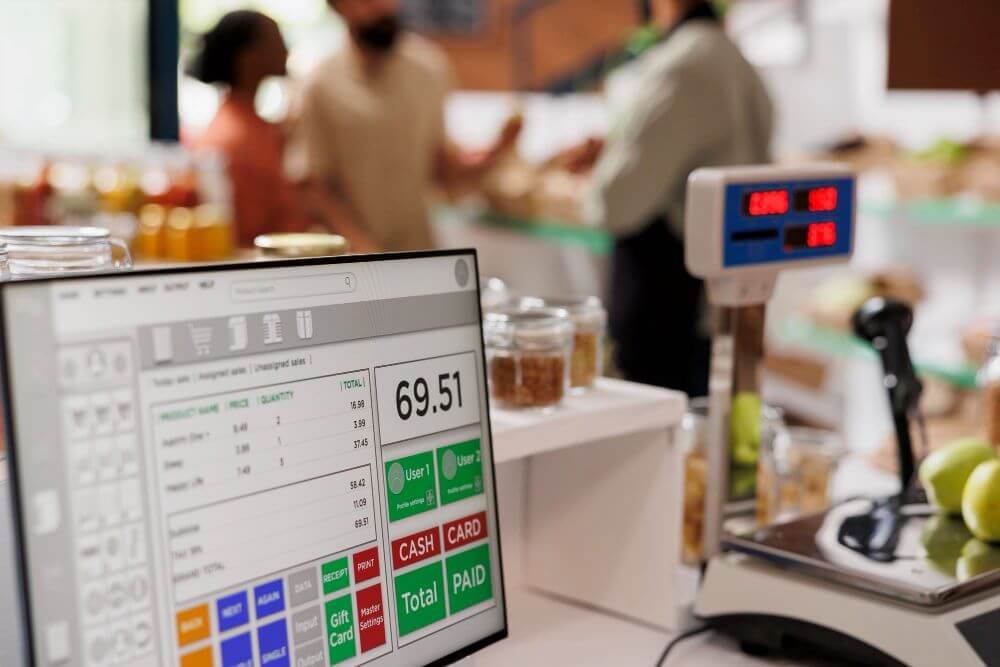
The price a vendor gives you for a POS system isn’t always the same as the cost you’ll pay in the first year. Different vendors often charge different amounts for hardware, software, installation, EFTPOS integration, training, and support. Comparing similar products before signing helps NZ hospitality venues avoid budget shocks that are hard to fix mid-contract.
What does a POS quote in NZ typically include?
Most quotes start with the monthly software cost. That number is real, but it usually doesn’t include hardware, installation, staff training, or EFTPOS terminal integration. Some vendors include these in the setup fee, while others list them separately on a second page or don’t mention them until asked.
You should ask each vendor to write down all the costs you will have to pay in the first twelve months, not just the one-time fee. When consumables, extra terminals, and an ongoing support plan are added, a quote that seems cheaper at first may end up being the more expensive choice.
What costs do most venues forget to budget for?
Many quotes don’t include these four types of costs.
- EFTPOS integration: Sometimes the base price doesn’t include the cost of connecting the point-of-sale (POS) system to an EFTPOS terminal. Two-way integration sends the sale amount to the terminal and automatically returns the payment result, eliminating the need for staff to type numbers in by hand. However, make sure this is included in the plan, or it will cost extra.
- Extra terminals: If a café starts with one register and adds a counter terminal six months later, it will have to pay for hardware and possibly a higher software tier mid-contract. Think about what the configuration will be at month twelve, not just day one.
- Accessories and receipt rolls: Thermal paper rolls, cash drawer cables, and kitchen printer ribbons need regular replacement. Each item is small, but over a year, they add up and rarely appear in vendor quotes.
- Staff retraining: Some vendors include one training session in the setup process, while others charge by the hour. If staff turnover is high, as it often is in the hospitality industry, find out how and how much it costs to retrain staff repeatedly.
How do support costs vary, and why does it matter?
Support is a cost most venues overlook because they only notice it when something goes wrong during a busy service. When is support available, where is the team based, and what is included in your base plan vs. what is charged per incident? These are the most important questions.
A local support team that works in the same time zone is useful, not just a marketing point. If your system breaks down on a Wednesday at 8 p.m., the time difference between a team open until 10 p.m. and one that shuts down at 5 p.m. could mean the difference between fixing the problem and losing service.
Tabin’s support team is based in New Zealand, with business hours from 8am to 10pm Monday to Friday and technical support seven days a week. Before choosing a pos system NZ, make sure you get written confirmation from each vendor about the hours, response time, and exact definition of “technical support.”
What should a year-one POS budget actually look like?
Before you compare any two vendor quotes, use the list below. Fill in every row with information from written proposals, not what you remember from a sales call.
| Cost category | What to ask the vendor | Watch out for |
| Hardware | Is hardware included, leased, or purchased separately? | Low upfront quotes that lock you into expensive lease agreements |
| Software / licence | What does the monthly fee include? Are software updates included? | Tiered plans where the features you need sit in a higher tier |
| Setup & installation | Is on-site setup included? What exactly does it cover? | “Setup” means only software activation, not physical installation |
| EFTPOS integration | Is two-way integration included or priced as an add-on? | Per-transaction fees layered on top of the integration cost |
| Support plan | What support hours are included, and where is the team based? | Plans that charge per support call rather than a flat monthly rate |
| Training | How many training sessions are included at setup? | Repeat per-session fees for venues with high staff turnover |
| Contract exit terms | What is the minimum term? What triggers a price review? | Auto-renewal clauses and price increase rights buried in the fine print |
What contract terms should you read before signing?
Three clauses cause the most trouble for venue operators.
Lock-in period: Many POS contracts run for 24 to 36 months. Find out how much it costs to exit the contract early and whether the fee changes over the term or stays the same.
Price increase rights: Some agreements allow the vendor to increase the monthly fee with 30 days’ notice. Ask whether the quoted price is fixed for the contract term or subject to a discretionary or CPI-linked increase.
Data ownership at exit: Make sure you have written confirmation that you can export your whole sales history when you leave. This includes item-level transaction data, not just summary reports. Some vendors limit access or charge a fee to export. Your records have real value for GST returns, business planning, and any future sale of the business.
Print out the budget grid above and go through each row before your next meeting with vendors. A vendor who answers every question directly and writes it down differs from one who refers the customer to a brochure or sales deck. That difference is clear before signing, and it’s a good sign of the support you’ll get once you go live.
Frequently asked questions
Is GST included in POS quotes in NZ?
Not all the time. Some vendors list prices without GST, which is 15% added to each item. Before comparing prices from different vendors, you should always ask for a total that includes GST.
Do I need to buy the hardware outright, or can I lease it?
In New Zealand, you can choose either one. Buying outright costs more up front, but monthly payments are lower. Leasing can spread the cost, but read the lease terms carefully, as payments may continue even after the hardware has lost all its value.
How do you compare vendors who bundle their pricing differently?
Make a simple spreadsheet with the cost categories shown in the table above. Then, use the written quotes you get to fill it out. During a sales conversation, a vendor’s words are not legally binding. If they say something is included, make sure you get it in writing.
What is a reasonable contract length for a hospitality POS in NZ?
Most people choose 12 to 24 months. A longer term may have a lower monthly fee, but you won’t be able to change things if the system doesn’t work for your venue after the first few months of live trading.
What happens to sales data if switching POS providers?
You should be able to export the full transaction history in a common file format, such as CSV. Confirm the details before signing, and ask whether there is a fee to export the data. Sales data is important for GST returns, financial reporting, and business planning. Don’t assume you can still access it after you leave.