A roof is one of the most important parts of any home. It protects the building from rain, snow, wind and other weather conditions while helping to keep the indoor space comfortable. However, choosing the right roofing material can be difficult because homeowners must consider durability, maintenance, appearance and long-term costs. A good roof should not only look attractive but also provide reliable protection for many years.
When exploring different roofing options, it is worth considering how well each material can handle the local climate. In Alberta, where temperatures can change quickly and heavy snowfall, hail and strong winds are common, the choice of roofing material becomes even more important. Metal roofing has become a popular option because it combines strength, durability and a modern appearance. Understanding its benefits can help homeowners make a confident decision about their next roof.
What Makes Metal Roofing Different?
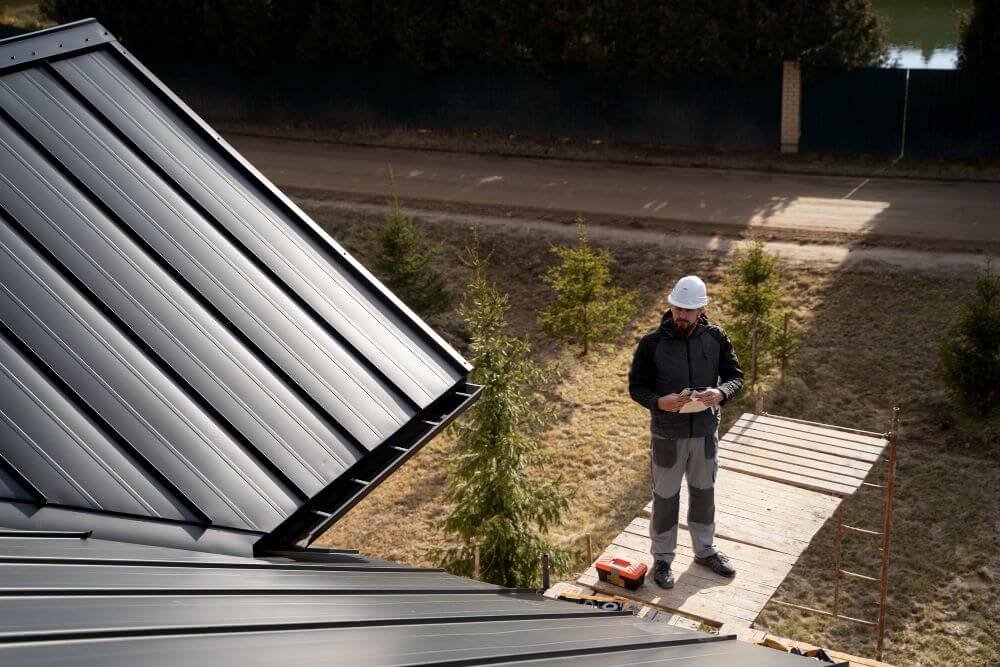
Metal roofing is made from materials such as steel or aluminium and is designed to provide a strong protective layer over a building. Unlike some traditional roofing materials, metal panels are available in different styles, colours and finishes. This allows homeowners to choose a design that suits their property.
Steel roofing is particularly popular in areas where roofs must withstand challenging weather conditions. Modern metal roofing products often feature protective coatings that help resist corrosion and maintain their appearance over time.
A Strong and Durable Roofing Material
One of the main advantages of metal roofing is its durability. High-quality metal panels are designed to withstand a range of environmental conditions, including strong winds, rain and changing temperatures.
The strength of the material can make it a practical choice for homeowners who want a roof that lasts. However, its performance depends on the quality of the product, correct installation and regular inspections.
Different Styles for Different Homes
Metal roofing is no longer limited to a simple industrial appearance. Modern products are available in a variety of colours, profiles and finishes, allowing them to complement traditional and contemporary homes.
Some designs resemble slate or other premium roofing materials, offering an attractive finish without requiring natural stone. Homeowners can select a style that suits their property while benefiting from the practical features of metal.
Why Metal Roofing Works Well in Alberta
Alberta experiences a wide range of weather conditions throughout the year. Winters can bring freezing temperatures and heavy snow, while summers may include heat, thunderstorms and hail. These conditions can place considerable pressure on a roof.
Choosing a suitable roofing material is therefore essential for protecting a property over the long term.
Protection Against Heavy Snow
Heavy snowfall is a common concern for homeowners in many parts of Alberta. Roofs must be designed to support the expected snow loads and direct water away from the building when the snow melts.
Metal roofing can offer an advantage because its smooth surface may allow snow to slide off more easily than some other materials. However, snow does not always slide off automatically, and the roof’s design, pitch and surrounding conditions affect its performance.
Snow guards may also be necessary in certain situations to help control snow movement and reduce the risk of sudden snow slides near entrances, walkways and driveways.
Resistance to Strong Winds
Strong winds can damage roofing materials, particularly when panels or shingles are loose, worn or poorly installed.
Metal roofing systems are designed to be secured to the roof structure using appropriate fasteners and installation methods. When installed correctly, a suitable system can provide reliable protection against wind.
Homeowners should still choose products rated for the expected local conditions. Professional installation is essential because even high-quality materials may perform poorly if the fixing methods or supporting structure are unsuitable.
Handling Heat and Temperature Changes
Alberta’s weather can shift from very cold winter conditions to warm summer temperatures. Roofing materials must cope with these changes without losing their protective qualities.
Metal expands and contracts as temperatures change, so the roof must be installed with the correct allowances and fixing systems. Quality materials and proper installation help the roof accommodate normal movement.
Some metal roofing products also have reflective finishes that can reduce the amount of solar heat absorbed by the roof. The actual effect on indoor temperatures depends on the finish, insulation, ventilation and overall design of the home.
The Long-Term Benefits of Metal Roofing
A roof is a major investment, so homeowners should look beyond the initial installation price. The long-term value of a roofing system depends on its lifespan, maintenance needs, performance and warranty coverage.
Metal roofing can be an attractive option for people who want a durable solution rather than a material that may need frequent replacement.
A Long Service Life
Many quality metal roofing systems can last for several decades when properly installed and maintained. Their lifespan depends on the metal type, coating quality, roof design, local weather and ongoing care.
This long service life can make metal roofing appealing to homeowners who plan to remain in their property for many years.
Before choosing a product, it is important to understand the manufacturer’s warranty. Some warranties cover particular defects or coating problems rather than every possible form of damage. Reading the terms carefully helps homeowners understand what protection is actually provided.
Lower Maintenance Requirements
Metal roofs generally require less routine maintenance than some roofing systems. They do not need regular shingle replacement in the same way that certain traditional roofs might.
However, low maintenance does not mean no maintenance.
Homeowners should arrange periodic inspections to check for loose fasteners, damaged flashing, blocked gutters, scratches and other potential problems. Any damage should be addressed promptly to help prevent moisture from reaching the roof structure.
It is also important to avoid walking on metal roofing unless the surface and installation are suitable for it, as incorrect access can cause damage or create a safety risk.
Potential Savings Over Time
Although the initial cost of metal roofing may be higher than that of some basic roofing materials, its long service life can make it cost-effective over time.
Homeowners should compare the complete cost of each option, including installation, expected maintenance, potential repairs and future replacement.
Metal roofing products also vary considerably in price. The roof’s size, shape, material, finish and installation requirements all affect the final cost. Obtaining a detailed quotation makes it easier to understand the value offered by each system.
Understanding Metal Roofing Installation
Even the best roofing material needs correct installation to perform as expected. A professional installation team will assess the roof structure, select suitable materials and ensure that the system is fitted according to the manufacturer’s requirements.
Careful planning can help reduce the risk of leaks, premature wear and other problems.
Inspecting the Existing Roof
Before work begins, the existing roof should be inspected to identify any structural concerns or signs of water damage.
The installer may need to assess the roof deck, ventilation, insulation, flashing and drainage arrangements. If the supporting structure requires repairs, these should be addressed before the new roofing system is installed.
This preparation helps create a suitable foundation for the new roof.
Choosing the Right Metal Roofing System
Not every metal roofing product is suitable for every property. Homeowners should consider the roof’s shape, slope, local weather conditions and desired appearance before making a decision.
Steel roofing is a common choice because of its strength and the availability of protective coatings. Other metals may be suitable for particular projects, depending on the budget and design requirements.
It is also worth checking whether the product is designed for the property’s expected snow and wind conditions.
Why Professional Installation Matters
Metal roofing installation requires knowledge of panel placement, fastening, flashing and weatherproofing. Small mistakes can allow water to enter the building or prevent the roof from performing as intended.
An experienced installer understands how different roof sections connect and how to manage areas such as valleys, chimneys, skylights and roof edges.
Homeowners should ask about the installer’s experience, insurance, product specifications and workmanship warranty before agreeing to the work.
Metal Roofing Compared with Traditional Roofing Materials
Comparing different materials can help homeowners decide which option best suits their needs.
Metal Roofing vs Asphalt Shingles
Asphalt shingles are widely used because they are available in many styles and often have a lower initial installation cost.
Metal roofing, on the other hand, may offer a longer service life and reduced maintenance requirements. Its higher upfront cost can be balanced by the possibility of fewer replacements over the years.
The right choice depends on the available budget, expected ownership period and local weather conditions.
Metal Roofing vs Slate Tiles
Natural slate offers a distinctive appearance and can last for a very long time. However, it is heavy and may require a roof structure designed to support its weight.
Metal roofing products that resemble slate can provide a similar visual effect while generally weighing less. They may also be easier to install, although the final cost depends on the selected product and the complexity of the roof.
Homeowners should compare the appearance, weight, installation requirements and warranty of each option before making a decision.
How to Maintain a Metal Roof
Although metal roofing is designed for durability, simple maintenance can help preserve its condition.
Arrange Regular Inspections
Inspecting the roof periodically can help identify small problems before they become expensive repairs. A professional should check the panels, fasteners, flashing and roof edges for signs of damage or wear.
Inspections after severe storms can also be useful, particularly if the property has experienced hail or strong winds.
Keep Gutters and Drainage Clear
Blocked gutters can prevent rainwater and melting snow from draining away properly. This may lead to water overflow, moisture damage or problems around the roof edges.
Keeping gutters and downpipes clear helps water move away from the building as intended.
Address Damage Promptly
Scratches, loose fittings and damaged flashing should not be ignored. Depending on the product, exposed areas may need suitable treatment to prevent corrosion.
Repairs should follow the manufacturer’s recommendations. Homeowners should use a qualified roofing professional rather than attempting risky work on a steep or slippery roof.
Choosing a Reliable Metal Roofing Company
Selecting the right contractor is just as important as choosing the roofing material. A reliable company should explain the available options, provide a clear quotation and answer questions about installation and long-term care.
Homeowners should look for experience with metal roofing rather than assuming that every general roofing contractor has the same level of specialist knowledge.
It is helpful to ask for examples of completed projects, customer reviews and details of the materials being offered. The quotation should explain what is included, such as removing the old roof, preparing the surface, installing flashing and cleaning up after the work.
Warranty details should also be provided in writing. Homeowners should understand the difference between the manufacturer’s product warranty and the contractor’s workmanship warranty.
For properties in Alberta, local experience is especially valuable because contractors must consider regional weather patterns and the demands they place on roofing systems.
Is Metal Roofing the Right Choice for Your Home?
Metal roofing can be an excellent option for homeowners who value durability, attractive design and long-term performance. Its resistance to many common weather conditions makes it worth considering in areas where snow, hail, wind and temperature changes are part of everyday life.
However, no roofing material is perfect for every property. The best choice depends on the building’s structure, roof design, budget and individual requirements.
Before making a final decision, compare several products and obtain quotations from experienced installers. Ask about expected service life, maintenance requirements, snow and wind ratings, coating performance and warranty conditions.
Taking the time to understand these details can help you choose a roof that meets your needs and provides dependable protection for years to come.
Conclusion
A well-designed roof protects a home, supports its appearance and helps prevent costly problems caused by the weather. For homeowners in Alberta, metal roofing offers several potential benefits, including durability, a range of attractive finishes and a long service life when the system is properly selected and installed.
From handling changing temperatures to providing reliable protection against rain and wind, a quality metal roof can be a worthwhile long-term investment. Regular inspections and timely maintenance will help keep it in good condition.
By choosing suitable materials and working with an experienced installation company, homeowners can make a more informed decision and enjoy greater confidence in the protection of their property.