Heavy construction machinery is built for demanding work, but no machine is immune to wear. Excavators, loaders, bulldozers, graders, and other equipment operate under heavy loads, vibration, dust, heat, and rough terrain every day. Over time, these conditions can lead to mechanical failures that affect safety, productivity, and repair costs.
Understanding the most common issues helps operators and maintenance teams spot problems early. In construction, catching warning signs before a breakdown can reduce downtime and keep machinery working reliably on the jobsite.
Hydraulic System Failures
Hydraulic systems control many essential functions in heavy construction machinery, including lifting, digging, steering, pushing, and attachment movement. When hydraulics begin to fail, the equipment may feel slow, weak, jerky, or unable to complete normal tasks.
Common causes include low hydraulic fluid, contaminated oil, leaking hoses, worn seals, failing pumps, and clogged filters. Because hydraulic systems work under high pressure, even a small leak can affect performance. If hydraulic weakness appears alongside engine noise, vibration, or power loss, technicians may also inspect for symptoms of crankshaft failure to rule out deeper mechanical damage.
Engine Problems and Power Loss
Engine problems are among the most serious mechanical failures in construction machinery. A loss of power may appear as rough idling, slow acceleration, stalling, excessive smoke, or difficulty working under load.
Common causes include clogged fuel filters, dirty air filters, injector issues, turbocharger problems, low compression, or poor lubrication. In heavy equipment, engine problems can worsen quickly because machines often run for long hours under demanding conditions. Any sudden drop in power should be inspected before the machine continues working.
Transmission and Drivetrain Failures
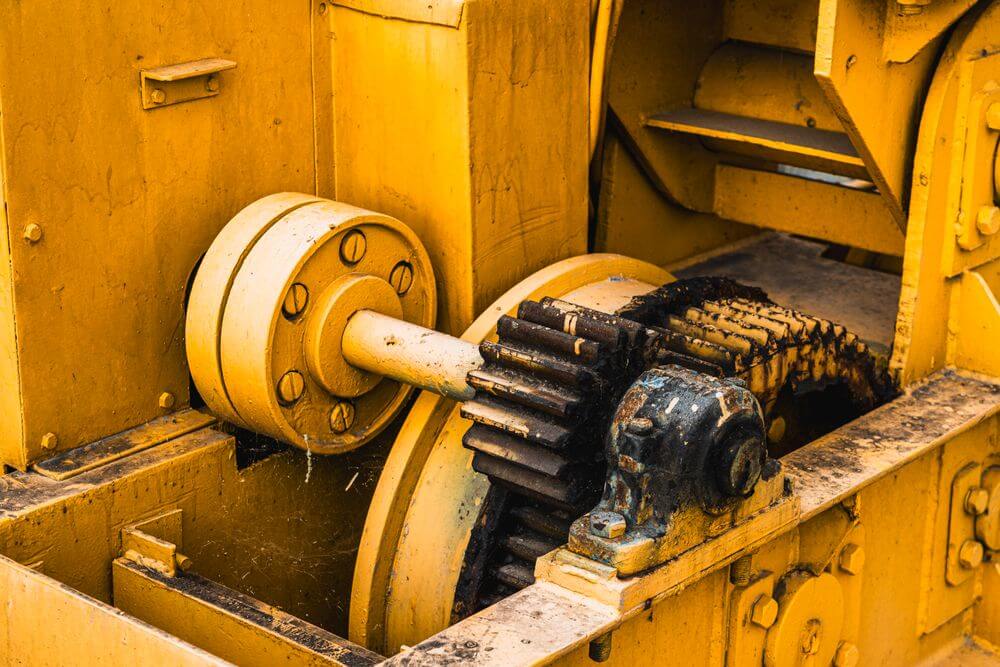
Transmission and drivetrain failures affect how power moves from the engine to the wheels or tracks. When these systems begin to fail, equipment may slip, hesitate, vibrate, grind, or struggle to move smoothly.
Common causes include worn gears, damaged clutches, low transmission fluid, contaminated oil, failing bearings, or driveshaft problems. Since heavy construction machinery operates under high torque, drivetrain components are constantly under stress. Early inspection can prevent a minor shifting issue from becoming a major repair.
Undercarriage Wear and Track Problems
Tracked construction equipment depends on a strong undercarriage. Tracks, rollers, idlers, sprockets, pins, bushings, and tension systems all wear over time, especially in mud, sand, rock, and uneven ground.
Warning signs include loose tracks, uneven wear, damaged rollers, poor alignment, or reduced stability. Undercarriage problems can increase fuel use, reduce control, and damage surrounding components. Regular cleaning, correct track tension, and routine inspections help extend the life of the machine.
Brake System Failures
Brake failures are serious because they directly affect jobsite safety. Heavy equipment must be able to stop reliably, especially when working on slopes, carrying loads, or operating near workers.
Common warning signs include weak braking, pulling to one side, grinding noises, overheating, fluid leaks, or delayed response. Causes may include worn brake components, contaminated fluid, damaged lines, or failing cylinders. Any change in braking performance should be addressed immediately.
Electrical System Malfunctions
Modern construction machinery relies on electrical systems for starting, controls, sensors, lighting, safety features, and diagnostics. Electrical faults can be difficult to track because they may appear only at certain times.
Common problems include weak batteries, damaged wiring, corroded connectors, bad grounds, faulty sensors, alternator issues, or relay failure. Symptoms may include no-start conditions, warning lights, erratic gauges, control problems, or unexpected shutdowns.
Cooling System and Overheating Issues
Overheating is one of the most damaging problems in heavy construction machinery. Machines often work for long periods under load, which makes cooling system performance essential.
Common causes include low coolant, clogged radiators, damaged hoses, failing water pumps, stuck thermostats, broken fans, or debris blocking airflow. If ignored, overheating can lead to head gasket damage, warped components, oil breakdown, and engine failure.
Preventing Mechanical Failures in Construction Machinery
Preventing mechanical failures starts with consistent maintenance and daily inspections. Operators should check fluids, hoses, belts, filters, tracks, brakes, hydraulic lines, cooling systems, and visible leaks before use.
It is also important to pay attention to changes in sound, vibration, temperature, power, smoke, or control response. These early signs often appear before a major breakdown. Reliable maintenance protects equipment life, jobsite safety, and project schedules.
Final Thoughts
Mechanical failures in heavy construction machinery can lead to costly downtime if warning signs are ignored. Hydraulic issues, engine problems, drivetrain wear, brake faults, electrical malfunctions, undercarriage damage, and overheating are all common concerns.
With regular inspections and timely repairs, construction teams can keep equipment safer, more reliable, and ready for demanding work.