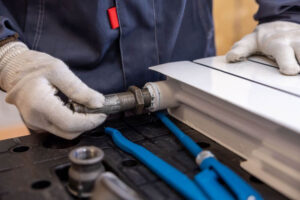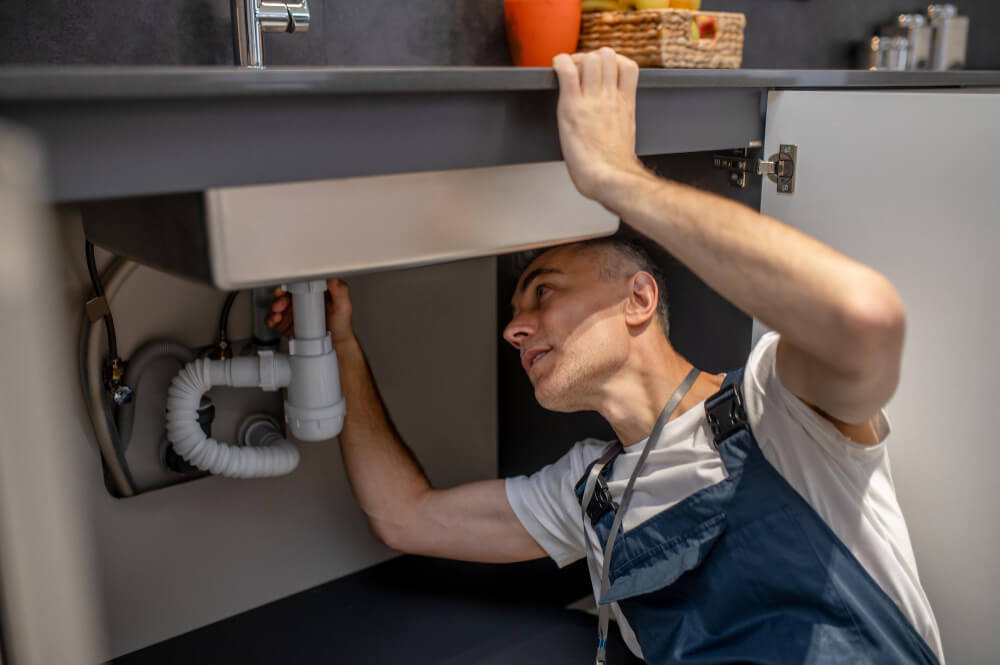
Plumbing issues in your home can arise at any moment, and deciding whether to tackle them yourself or hire a professional is a choice every homeowner faces. While DIY plumbing may seem like a cost-effective solution, professional Plumbers offer expertise that can prevent future issues. This article will explore the monetary impact of each option, considering immediate expenses and long-term savings. We will also discuss the tools and skills required for DIY plumbing compared to those offered by professionals, helping you make an informed decision.
DIY Plumbing: Cost-Effectiveness and Potential Savings
When considering DIY plumbing, the main appeal lies in the upfront savings on labor costs. Tools such as pipe wrenches and Plumber‘s tape are relatively inexpensive, and many repair guides are readily available online. However, a Childproofing Assessment may reveal hidden issues that untrained eyes might miss, potentially leading to costly mistakes. While DIY repairs might save money initially, the lack of professional oversight can result in further expenses if problems recur.
Moreover, DIY plumbing requires time investment and a basic understanding of plumbing systems. Homeowners need to evaluate whether the savings are worth the potential for error. For minor issues like fixing a leaky faucet, DIY might be practical. However, for complex installations or repairs, the risk of error increases, which could lead to needing a professional intervention later.
It’s also essential to consider safety concerns. If a project involves hazardous materials, such as installing a Radon Mitigation System, professional guidance is advisable to avoid health risks. Although DIY plumbing can offer savings, careful consideration of the project’s complexity and potential danger is crucial.
Professional Plumbing Services: Evaluating Value and Expenses
Hiring a professional Plumber can provide peace of mind, as they bring expertise and experience to handle a range of plumbing challenges. According to the EPA, professional Plumbers can ensure efficient water usage, which directly impacts utility bills. While the initial cost may be higher than DIY, professionals often offer warranties that cover future repairs, adding value to their service.
The scope of professional services extends beyond simple repairs. For instance, pros can conduct an Energy Efficiency Audit to identify areas where water and energy can be conserved, potentially lowering household expenses in the long run. Additionally, professionals are equipped with specialized tools and knowledge to address complex plumbing issues that DIY enthusiasts might struggle with.
Furthermore, professional Plumbers adhere to Homeowner Association Compliance standards, ensuring all work meets regulatory requirements. This compliance is crucial to avoid penalties or costly adjustments down the line. The choice to hire a professional can be economical when factoring in these long-term benefits and assurances.
Comparing Skills and Tools: DIY vs Professional Plumbers
DIY plumbing enthusiasts often rely on basic tools like plungers and adjustable wrenches. These are adequate for minor repairs but may fall short for more extensive projects requiring precision. Professional Plumbers, on the other hand, utilize advanced equipment such as Indoor Air Quality Monitors to assess pipe conditions and Smart Thermostat Integration for optimal performance.
Skills are another critical factor. While DIY plumbing requires self-taught techniques and online tutorials, professionals have undergone rigorous training and certification, such as an Asbestos Inspection Certification, ensuring they can handle specialized tasks safely and effectively. This expertise reduces the risk of errors and enhances the quality of work.
Moreover, professionals can offer insights into sustainable practices, such as Sustainable Landscaping Practices, which not only benefit the environment but also contribute to long-term savings. The contrast in skill level and tool availability highlights the advantages of professional services, particularly for complex or large-scale projects.
Long-Term Implications on Costs and Quality
While DIY plumbing might seem cost-effective initially, the long-term implications can be significant. Improper repairs can lead to water damage, resulting in expensive remedial work and potentially affecting the home’s value. Conversely, professional services ensure longevity and quality, safeguarding your home’s plumbing system.
Professional Plumbers provide maintenance advice, helping homeowners avoid future issues. Their work often includes guarantees and follow-up services, which can prevent recurring problems. This assurance is particularly valuable for complex systems incorporating Universal Design Principles, which require expert management to maintain functionality.
In the context of home resale, professional work can enhance property value. Quality plumbing is a selling point, as potential buyers appreciate the reliability and efficiency of professionally installed systems. The long-term benefits of hiring professionals often outweigh the initial costs, offering both financial and quality advantages.
Conclusion
Choosing between DIY plumbing and professional services involves weighing immediate costs against long-term benefits. While DIY projects can save money upfront, professional Plumbers provide expertise, quality assurance, and compliance with regulations, reducing future expenses. For homeowners seeking to balance cost and quality, professional plumbing services often offer a more financially sound option. Prioritizing quality and compliance ensures the longevity of your home’s plumbing system, ultimately saving money over time.