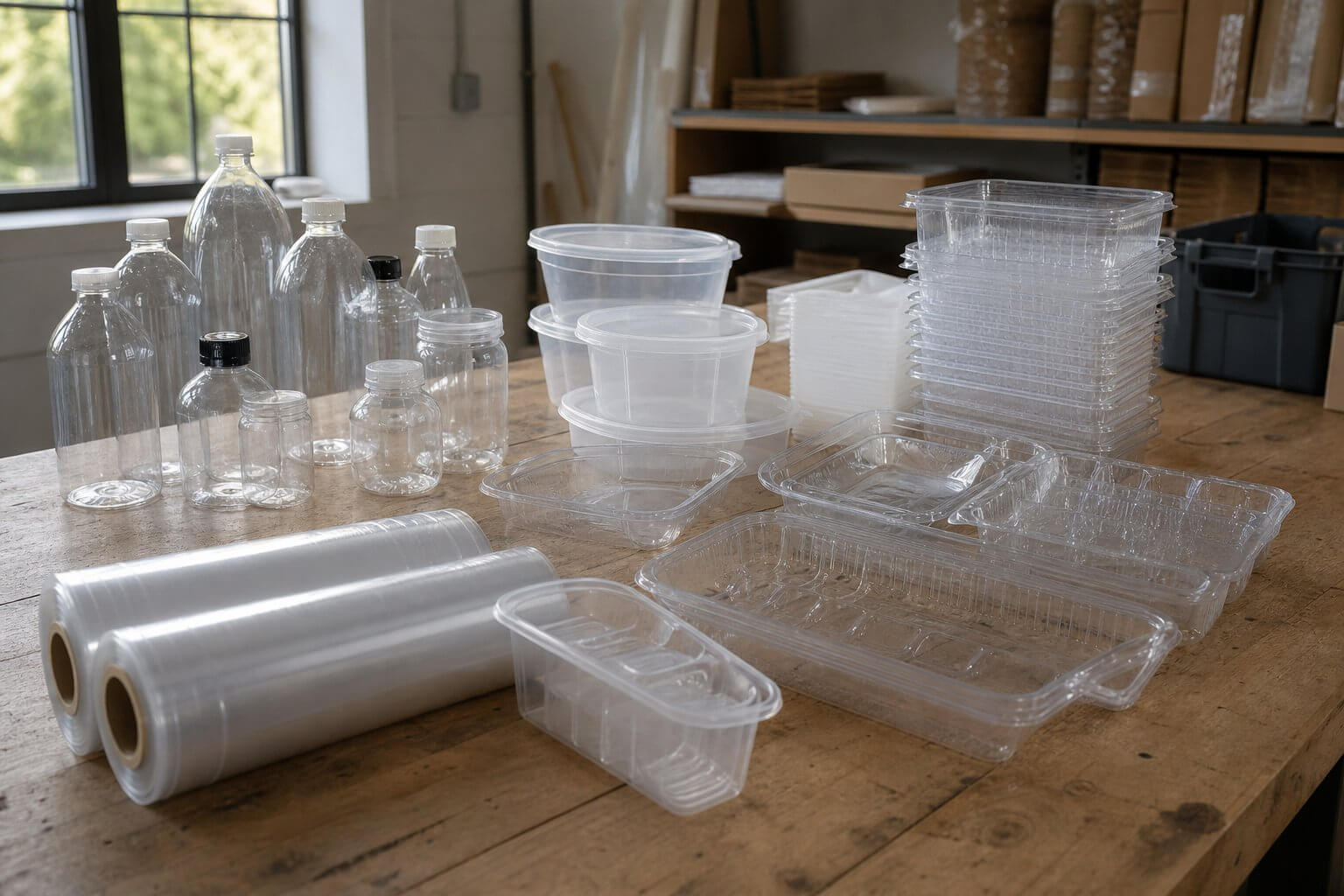
A supplier’s claim about recycled packaging can feel reassuring, but the number on the label rarely gives you the full picture. Two materials can both be called recycled yet come from completely different sources. The percentage you see may be a bookkeeping figure rather than a physical ingredient. And the certificates that sound impressive often prove something narrower than you expect. This guide unpacks the terms so you can ask the right questions.
Post-consumer and post-industrial are not the same thing
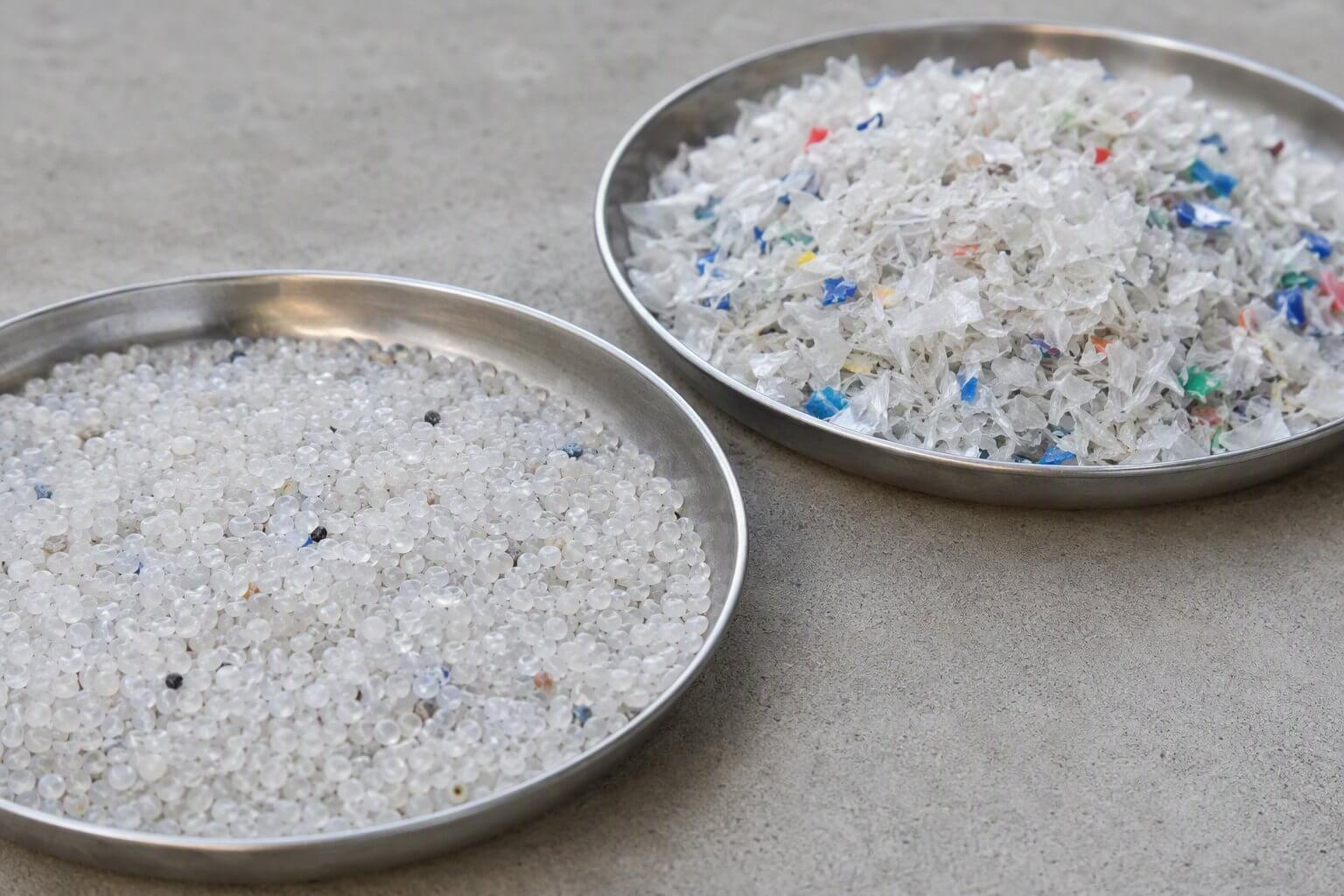
Post-consumer material comes from households. It is the bottle, tub or film that a person empties, rinses and puts in a recycling bin. Because it has been used, it carries contamination from food, labels and mixed plastics. The material is collected, sorted and reprocessed, but the process leaves it slightly degraded and less predictable than new raw material. When a supplier talks about recycled content that reduces household waste, this is the category that counts.
Post-industrial material, by contrast, never leaves the factory. It is offcuts, trimmings and rejected parts from a production line. This scrap is clean, of known composition and easier to rework. Legally, both count as recycled content. A supplier can claim a high percentage simply by using the cleaner factory stream. The line between the two is drawn in the published criteria for post-consumer recycled plastic, where industry bodies also track how much material genuinely comes back from homes.
Why the percentage on the label is not always what it seems
A common accounting method called mass balance can make the recycled figure misleading. The producer feeds a measured amount of recycled material into a large processing system alongside virgin material. The output is a combined batch. The company then allocates the recycled portion on paper to a specific number of items, even if the recycled molecules ended up elsewhere. An individual package labelled thirty percent recycled may contain no recycled material at all, physically speaking.
This is not a fraud. Mass balance is a legitimate and audited method that allows gradual investment in recycling infrastructure. But it answers a different question: it tells you the company bought that amount of recycled feedstock, not that it is in your packaging. Segregated production, where the recycled material is kept separate and processed into a dedicated batch, is the only way to be sure the physical content matches the label. The two approaches are worlds apart when you are trying to make a genuine claim to your customers.
The certificates worth asking about
Food-contact approvals are issued by regulators and confirm that the material can safely touch food under specific conditions. These approvals are not general statements about a company’s green credentials; they apply to a specific formulation at a specific manufacturing site. A packaging supplier may hold a food-contact letter for one product but not for another, so you need to ask for the document that covers exactly what you are buying.
Chain-of-custody certificates audit the paperwork trail from the waste source through processing to the finished product. They verify claims about the type of recycled content and how mass balance was applied, if it was used. Recyclability assessments are a separate certificate. They judge whether the finished package can be sorted and reprocessed in real recycling systems. This tells you nothing about what the package is made of today; it only predicts what happens after it is thrown away. Every certificate is tied to a specific plant and product, never to an entire company.
What to ask before signing
Ask the supplier which category of recycled content they are using and in what proportion. Is the percentage a physical presence or a mass-balance allocation? Which certificate covers this exact product, and when was the last audit conducted? Are colour and strength tolerances guaranteed batch to batch, given that recycled material varies more than virgin? Write these questions into the specification sheet so the answers become contractual.
A supplier who can answer quickly, with dated paperwork and clear definitions, is usually the one worth working with. If they hesitate, confuse the terms or offer a certificate that covers a different product, you are buying a story rather than a verified material. In a market where recycled claims sell, the gap between a label and the truth is a gap you can only close by asking.