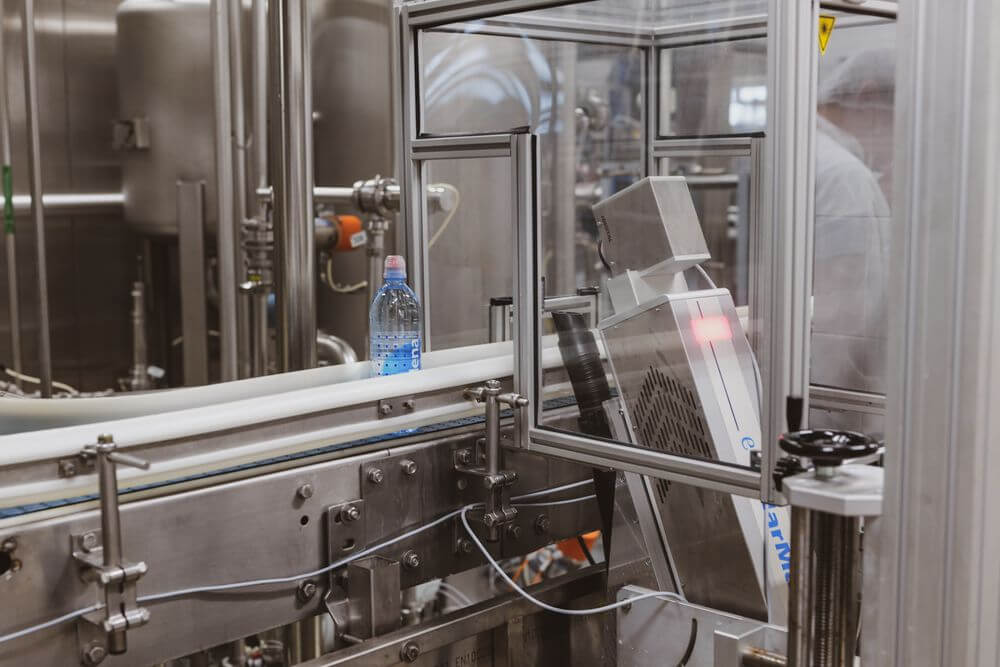
Bottle filling looks straightforward from the outside, but in real production environments, it involves constant control over speed, consistency, product behavior, and line coordination. Even a small issue at the filling stage can lead to wasted product, messy containers, slower output, and quality complaints downstream. That is why manufacturers pay close attention to filling performance. Modern filling systems are designed not only to move product into containers, but also to solve the day to day challenges that affect efficiency and packaging quality.
Product Viscosity Creates One of the Biggest Filling Challenges
Not every product flows the same way, and that creates one of the most common problems in filling operations. Thin liquids move easily, while thicker products such as sauces, creams, gels, and pastes require more controlled handling. This is where a volumetric piston filler becomes especially valuable. Unlike some systems that depend heavily on product flow behavior, piston filler machines are designed to measure and dispense a set volume more directly. That helps manufacturers maintain better consistency when working with dense or difficult products. In many cases, this is why bottle filling machines built around piston filling technology are chosen for thicker applications where accuracy matters.
Fill Accuracy Affects Waste, Compliance, and Customer Confidence
One of the most important goals in bottling is delivering the correct amount of product in every container. Underfilling can create quality and compliance concerns, while overfilling leads to giveaway and unnecessary product loss. Both issues become more expensive at scale. Modern filler machines address this by using more precise controls and repeatable fill mechanisms. Better calibration, smoother product handling, and improved adjustment options all help reduce variation from bottle to bottle. For manufacturers, fill accuracy is not only a technical detail. It directly affects cost control and how the finished product is perceived.
Foaming and Dripping Can Slow Down the Entire Line
Foaming is another major challenge, especially when filling beverages, chemicals, soaps, or other products that react quickly during dispensing. Excess foam can make it harder to hit the target fill level and may create a messy working area that slows down production. Dripping after the fill cycle causes its own problems by affecting container cleanliness and downstream presentation. Modern filling machines are designed to manage these issues with improved nozzle design, more controlled dispensing, and better timing through the fill cycle. A well matched bottle filling machine helps keep the line cleaner and more stable during long runs.
Bottle Variety Makes Flexibility More Important
Many operations do not run a single bottle style all day. They may switch between sizes, shapes, or product formats, which creates another challenge for filling equipment. A system that performs well with one container may need more adjustment when another enters the line. Modern bottle filling machines are increasingly built with flexibility in mind. Better changeover design, simpler controls, and easier mechanical adjustments help operators move between product runs more efficiently. For businesses handling more than one format, this flexibility can be just as valuable as pure speed.
Manual Processes Become a Problem as Output Increases
Manual or semi manual filling can work for smaller batches, but it becomes harder to control when production demands rise. Operator fatigue, inconsistent handling, and slower pacing often make it difficult to maintain uniform results across a larger run. This is where an automatic bottle filling machine offers a strong advantage. By standardizing the fill process, automation helps reduce variation, improve throughput, and lower the need for constant manual correction. In a growing operation, automation is often less about replacing labor completely and more about creating a smoother, more repeatable process.
Product Waste and Cleanup Reduce Real Efficiency
A line may look productive on paper, but if it creates too much waste or requires constant cleanup, efficiency suffers. Spills, splashing, product residue, and frequent rework all reduce the real value of the equipment. Modern filling machines are designed to support cleaner fills and more controlled product transfer, which can make a major difference over time. This matters especially in operations where sanitation, presentation, and fast turnaround are priorities. Cleaner filling reduces maintenance burden, helps protect product quality, and keeps more time focused on output instead of correction.
Integration With the Rest of the Line Matters Too
Filling equipment cannot be evaluated in isolation. Even strong filler machines can become a bottleneck if they do not align well with cappers, conveyors, or labeling equipment. Modern bottle filling machine design increasingly takes full line integration into account. Better synchronization, more reliable bottle handling, and smoother handoff to downstream systems all help improve overall packaging performance. A filling stage that works well with the rest of the line adds more value than one that performs well only on its own.
Conclusion
Bottle filling comes with real challenges, from viscosity and foaming to fill accuracy, waste, and container variation. Modern machines address these problems by improving precision, flexibility, cleanliness, and line integration. For manufacturers, that means fewer interruptions, better product consistency, and a more efficient packaging process overall. The right filling equipment does more than move product into bottles. It helps solve the everyday production issues that affect the success of the entire line.